Sexual violence – the facts
Anyone can experience rape or sexual abuse at any point in their lives.
Sexual violence is any kind of sexual activity or act (including online) that is unwanted. It includes but is not limited to one or more of the following:
• pressure
• manipulation
• bullying
• intimidation
• threats
• deception
• force.
Research suggests that people with a learning disability are at much greater risk of sexual abuse and assault than the general population. Studies show that the incidence of abuse among people with disabilities is as much as four times higher than it is among the non-disabled population.” (Mencap, Behind Closed Doors report (2001)
Recent studies also show that autistic people may be up to three times as likely as their neurotypical counterparts to experience bullying, and physical or sexual abuse. (Enhance the UK, Neurodiversity and Abuse, December 2022).
Many autistic people and people with learning disabilities face additional barriers to seeking support and/or reporting incidents of sexual violence. These can include but are not limited to:
- feeling ashamed and believing they have done something wrong
- feeling worried that they will get into trouble
- not knowing who to tell or what support is available
- difficulty communicating what has happened
- limited understanding of sex education and understanding what has happened was wrong
- limited understanding of consent and the right to say no
- fear of the police or reporting to police and not being believed as a credible or reliable witness (sadly this fear is often grounded in reality).
People who face multiple types of discrimination, like racism, homophobia, or ableism, might struggle to talk about sexual violence because they’re unsure which part of their experience to focus on.
Useful resources
More information




The latest from our news and blogs
Meet the Team: Group Work
We caught up with Kathy, Group Work Coordinator at SARSAS, to explore what group work is all about, why it matters, and what you can expect when you take that first step and join a group.
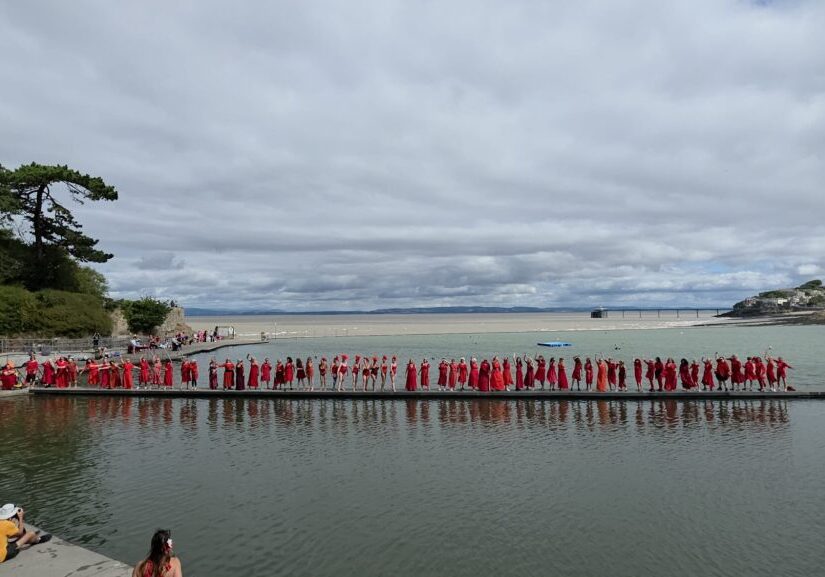
Bristol and Clevedon’s Most Wuthering Heights Day Ever raises £1,983 for SARSAS!
Out on the wily, windy waters of Clevedon Marine Lake a group of red clad Kate Bush’s danced and performed to Wuthering Heights. Followed by a second performance on Bristol’s College Green, the group made it clear that no moors or Heathcliff were required to make this event iconically The Most Wuthering Heights Day Ever.
A UK study on pregnancy after rape: Little Ro’s reflections & contributions (part 3)
Content note: This post shares themes from research with women who have raised a child conceived through rape. There are no graphic details, but some readers may find the material emotionally difficult. Please take care of yourself while reading, and feel free to pause or stop at any point.