What happens if I report?
Whether or not you report, it is most important that you make the decision that is best for you. We will always support and believe you, whatever decision you make.
The decision over whether or not to report can be a big one. Some people may decide that reporting to the police is really important to them. Others may not see it as a step they are ready to take now or in the future. Both of these decisions are equally valid.
If you decide to report, there is information and support out there for you.
Independent Sexual Violence Advisor (ISVA) Services can provide you with support and information on and during the reporting process. You do not need to have reported to get support from them. Find out more about your local ISVA service here.
You can find out the main steps involved in the reporting process here.
For more detailed information on the reporting and going to court, you can read the Rights of Women, “From Report to Court: A handbook for adult survivors of sexual violence“.
It is also possible to sue someone who has abused you for criminal damages. This would mean going through the Civil Court rather than the Crown Court. You can find out more via Citizens Advice Bureau
Other Useful Links







The latest from our news and blogs

What is organised Drug-Facilitated Sexual Assault (DFSA)?
Organised DFSA is a form of sexual violence in which alcohol and/or drugs are used to impair a person’s ability to consent, often within a wider pattern of abuse involving coercion, control, manipulation or multiple perpetrators.
Meet the Team: Group Work
We caught up with Kathy, Group Work Coordinator at SARSAS, to explore what group work is all about, why it matters, and what you can expect when you take that first step and join a group.
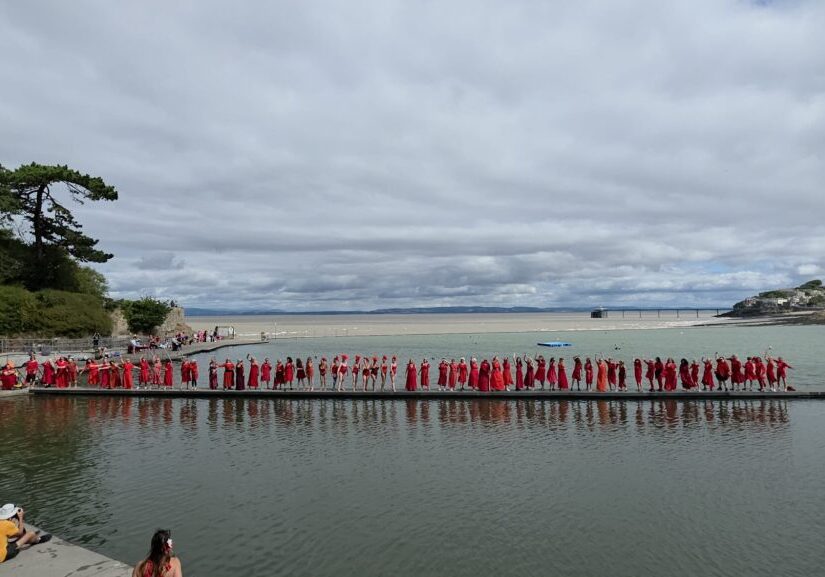
Bristol and Clevedon’s Most Wuthering Heights Day Ever raises £1,983 for SARSAS!
Out on the wily, windy waters of Clevedon Marine Lake a group of red clad Kate Bush’s danced and performed to Wuthering Heights. Followed by a second performance on Bristol’s College Green, the group made it clear that no moors or Heathcliff were required to make this event iconically The Most Wuthering Heights Day Ever.