Recognising signs of abuse
There are many reasons why someone might find it difficult to talk about an experience of sexual assault or abuse so it's important to recognise some of the signs that someone may have been affected by sexual violence.
Physical signs that someone may have experienced sexual violence (especially recently) can include:
- unexplained bruising
- cuts and bruises and bleeding in the inner thighs or genital area
- unexplained difficulty walking
- problems urinating
- complaints about pain or discomfort from intimate areas
- stained underwear or bedlinen
- damage to clothing
- missing items such as underwear.
Many people who experience sexual violence do not have show any obvious physical injuries or signs of abuse so it’s important to recognise non-physical signs of sexual violence. Signs to look out for can include:
- anger or fear
- withdrawal
- not wanting to leave their home
- low self-esteem and loss of confidence
- refusing support from a carer with intimate needs
- self-harm
- not sleeping or nightmares
- increased smoking, drinking or drug taking.
There may be signs that someone is being sexually abused online. Signs to look out can include:
- spending more time than usual online, texting, or gaming
- seeming distant, upset, or angry after using the internet or texting
- being secretive about what they are doing online or who they are talking to
- having lots of new phone numbers, texts, or messages.
Useful resources






The latest from our news and blogs
Meet the Team: Group Work
We caught up with Kathy, Group Work Coordinator at SARSAS, to explore what group work is all about, why it matters, and what you can expect when you take that first step and join a group.
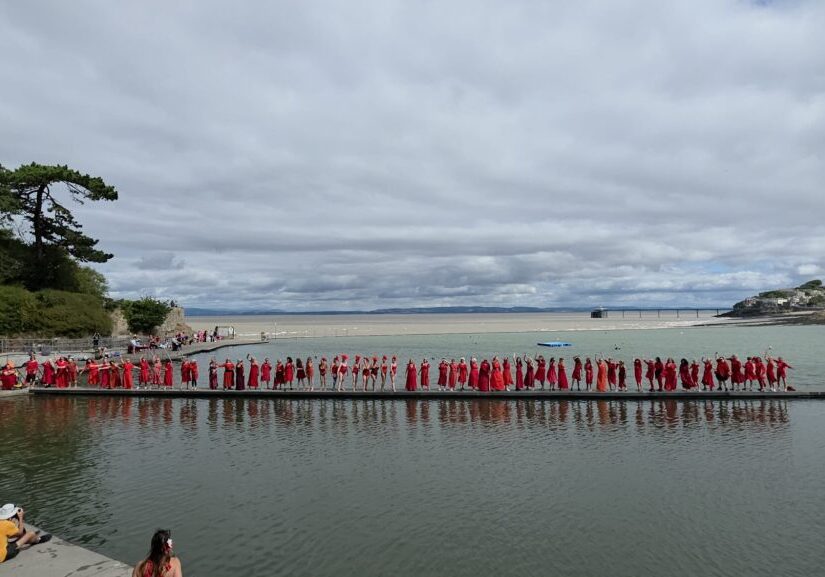
Bristol and Clevedon’s Most Wuthering Heights Day Ever raises £1,983 for SARSAS!
Out on the wily, windy waters of Clevedon Marine Lake a group of red clad Kate Bush’s danced and performed to Wuthering Heights. Followed by a second performance on Bristol’s College Green, the group made it clear that no moors or Heathcliff were required to make this event iconically The Most Wuthering Heights Day Ever.
A UK study on pregnancy after rape: Little Ro’s reflections & contributions (part 3)
Content note: This post shares themes from research with women who have raised a child conceived through rape. There are no graphic details, but some readers may find the material emotionally difficult. Please take care of yourself while reading, and feel free to pause or stop at any point.