Meet the Team: Group Work
We caught up with Kathy, Group Work Coordinator at SARSAS, to explore what group work is all about, why it matters, and what you can expect when you take that first step and join a group.
If you’ve found this blog because you’re feeling anxious…
If you’ve recently been referred to SARSAS, you may have been invited to one of our trauma-informed drop-in groups while you wait for one-to-one support.
It’s completely normal to feel nervous. Many people wonder whether they’ll have to talk, whether they’ll fit in, or what the group will be like. We hope this page answers some of those questions and helps you feel a little more prepared.
How to groups help?
Waiting for specialist support after rape, sexual assault or sexual abuse can feel incredibly isolating. SARSAS offers trauma-informed drop-in groups in Bristol and Taunton that provide connection, practical coping strategies and a safe place to begin healing while people wait for one-to-one support.
Kathy, tell us a little about your role at SARSAS
“I oversee all of our group work, from drop-in groups and self-care sessions to online courses and peer support. Everything we do is guided by what survivors tell us they need. It’s always survivor-led.”
What happens at a drop-in group?
“Our drop-in groups are a gentle, trauma-informed space for people waiting for one-to-one support. We might explore grounding techniques, trauma responses or self-care through simple creative activities, discussion or trauma-informed yoga. There’s no pressure. Some people chat throughout, others quietly do the activity and some simply listen. Every way of taking part is completely okay.”.
Many people feel nervous or frightened before attending. What would you say to them?
“I’d say that’s completely understandable. For many survivors, simply leaving the house can feel enormous. Walking through the door can take weeks of courage. We recognise that, which is why we try to remove as much uncertainty as possible before people arrive.”
How do you help people feel safe?
“We email everyone before their first session so they know where they’re going, what the building looks like, who their facilitator is, what we’ll be talking about and what activity we’ll be doing. If someone is particularly anxious, we’re happy to meet them at the entrance and walk them in. We also think carefully about the environment itself, with breakout rooms, gentle lighting, calm spaces and sensory considerations because everyone experiences trauma differently.”
What if I don’t want to talk?
“That’s absolutely fine. There’s never any expectation that you’ll share your experiences. Some people simply listen during their first session, and that’s completely welcome. Listening is taking part too. You’re welcome and included, exactly as you are, however that feels on the day.”.
People arrive feeling nervous and isolated, then gradually you see their shoulders relax. They realise someone else understands without them having to explain everything. One participant summed it up perfectly when they said, ‘A little bit of magic happens here.’
Kathy (Group Work Coordinator)
Why do groups help so much?
“People arrive feeling nervous and isolated, then gradually you see their shoulders relax. They realise someone else understands without them having to explain everything. One participant summed it up perfectly when they said, ‘A little bit of magic happens here.”.
What do people learn?
“We talk about trauma responses, grounding, coping strategies, triggers, glimmers, self-compassion and other topics. It’s about helping people understand that their responses are normal, reducing shame and giving them practical tools they can use every day.”.
What would be lost if these groups didn’t exist?
“People could spend months sitting on a waiting list feeling completely alone. These groups become an important holding space while people wait for counselling. They remind survivors that healing doesn’t only happen in therapy. Sometimes it starts with somebody remembering your name, making you feel welcome and helping you realise you’re not alone.”.
What keeps you motivated?
“Knowing the difference these groups make. I literally can see it when someone starts to feel seen and understood. Seeing people leave feeling lighter, more connected and more hopeful than they were when they arrived is incredibly special. That’s what keeps me coming back and doing the work. However, I’d also say that it’s ok to come and not feel better at the end.”.
How do you switch off?
“I love being outdoors with my partner and our Romanian rescue dog, Cherry. Being in green spaces or by the sea helps me recharge.”.
Before your first visit to a drop-in session with SARSAS:
- You’ll receive an email with practical information before your first session.
- You’ll know the topic, activity and facilitator in advance.
- You never have to tell your story, and you can share if you want to.
- You can simply listen if that’s what feels right.
- You can step out or use a breakout room whenever you need to.
- If arriving feels overwhelming, let us know. We may be able to meet you at the entrance.
You can find out more about our Group Work here.
Read our Meet the Team: Learning Disabilities & Autism (LDA) specialist support workers and Meet the Team: Specialist Support Work (SSW) blogs to discover more about our work.
The latest from our news and blogs
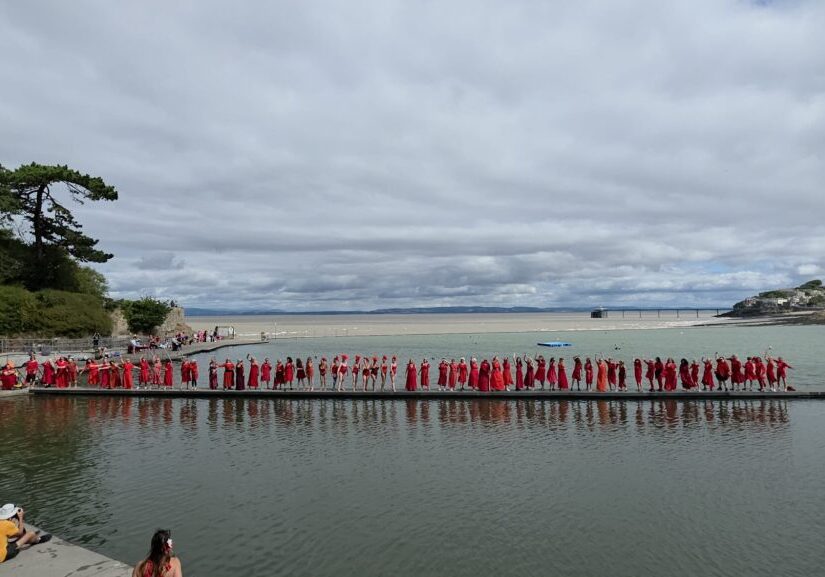
Bristol and Clevedon’s Most Wuthering Heights Day Ever raises £1,983 for SARSAS!
Out on the wily, windy waters of Clevedon Marine Lake a group of red clad Kate Bush’s danced and performed to Wuthering Heights. Followed by a second performance on Bristol’s College Green, the group made it clear that no moors or Heathcliff were required to make this event iconically The Most Wuthering Heights Day Ever.
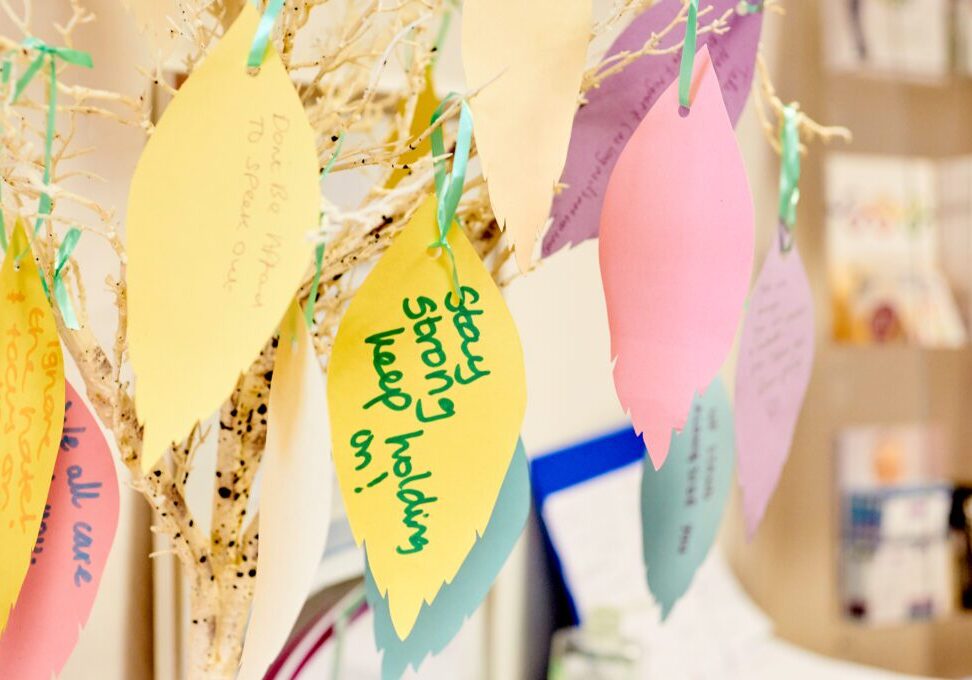
A UK study on pregnancy after rape: Little Ro’s reflections & contributions (part 3)
Content note: This post shares themes from research with women who have raised a child conceived through rape. There are no graphic details, but some readers may find the material emotionally difficult. Please take care of yourself while reading, and feel free to pause or stop at any point.
A UK study on pregnancy after rape: themes, insights & limitations (part 2)
Content note: This blog shares themes from research with women who have raised a child conceived through rape. There are no graphic details, but some readers may find the material emotionally difficult. Please take care of yourself while reading, and feel free to pause or stop at any point.