Meet the Team: Specialist Support Work (SSW)
We caught up with Ellie and Flo, two of our Specialist Support Workers, to explore what a typical day looks like for them and why the emotional, practical, and advocacy support their team offers can be so beneficial to those who come to SARSAS.
How would you describe Specialist Support Work to someone who has never heard of it before?
ELLIE: “I would describe it as emotional and practical work. It can be challenging to find the right language for what Specialist Support Work is. Some people I support use the word stabilisation, but not everyone is comfortable with that term. Really, it is that grounding work. It can be helping someone with the tangible impact of their trauma rather than processing it.”
FLO: “I agree. For the person we’re working with, it’s all about what’s happening in the here and now for them. We could be looking at questions like, ‘What’s happening for you at the moment?’, or ‘What do you want your life to look like?’ and then helping to get that person there. It’s very unique, and different for each person.”
What sort of issues do you support with?
ELLIE: “It can really vary. It could be housing, mental health, addiction, often multiple things at once. We do offer emotional support, but not in terms of processing past trauma and memories, but more how to deal with those impacts, like how to manage flashbacks, how to assert boundaries, working on self-esteem, anger and other emotions.”
FLO: “A lot of the other things we do are connecting people with other services. We want to ensure people have wraparound support. That might involve working with their care co-ordinators, or mental health workers, or linking them in with substance use charities. It’s hard to describe all of the things that we help with because we’re able to explore so much with people!”
“You’re linking people up with services, you’re advocating constantly for clients, particularly for mental health support in other ways. A lot of the time people can’t necessarily do that for themselves, and it’s so important that we’re on their side and we will try for them.”
Flo (Specialist Support Worker)
What does an average week look like?
ELLIE: “There’s no average week really, but along with the face-to-face elements of our role, we do a lot of admin behind the scenes. We both do assessments to see if the service is the right fit for someone, Flo does this more generally for all clients, I do this specifically for people with learning disabilities and autism. We also run the online trauma courses, which explore trauma. We have meetings with and liaise with other organisations.”
FLO: “We also help with group work sometimes, supporting with assessments or supporting with our new Drop In and Reach Out (DIRO) service. Alongside all of that as well, we also do other bits of admin – for example writing supporting letters for people we may have supported in the past or assessed a while ago.”
ELLIE: “We’re also not just at the Bristol Office, we get out and about in the community. I’ve supported people in care homes before, and other managed spaces. We might go for a walk with someone as well, obviously depending on the context of the conversation or the emotions you know someone might bring to that space – we wouldn’t be talking about confidential, traumatic things with someone in public.”
FLO: “I also do one day of work a week at the Nelson Trust, one of our partner organisations. I have a separate caseload there and I’m the SARSAS contact for people there that might need it, and I hold the assessments and waiting lists and client meetings there. A lot of that work can be writing supportive letters for court cases, or referrals for IDSVA (Independent Domestic and Sexual Violence Advisor) services.”
Any final thoughts on why SSW can be so beneficial for the people we work with?
ELLIE: “It really is a vital piece of support, especially for people who are not in a place where they need, or feel ready for, counselling. It’s vital that there are options outside of counselling – that it’s not just counselling or nothing.”
FLO: “Yeah, it’s bridging the gap. You’re linking people up with services, you’re advocating constantly for clients, particularly for mental health support in other ways. A lot of the time people can’t necessarily do that for themselves, and it’s so important that we’re on their side and we will try for them. We may not always get through, but we will always try and advocate for them.”
ELLIE: “So true, an important area of it is just laying the groundwork for someone. We’re not counselling someone, but we’re helping them lay the groundwork for future support too – maybe supporting someone who knows counselling would mean they experience more flashbacks, or supporting around substance misuse so someone is in a safe space to access that support.”
FLO: “It’s holding someone in the place they’re in right now.”
ELLIE: “The other thing is that specialist support is also about little wins. We take it slow and gentle. It might be for that person that they were able to assert one boundary with a friend, and listened to themself and their needs, and while it feels like a small win, it’s huge, and we celebrate that with them.”
You can find out more about our SSW support work here.
Read our Meet the Team: LDA specialist support workers blog to discover more about our work.
The latest from our news and blogs
Meet the Team: Group Work
We caught up with Kathy, Group Work Coordinator at SARSAS, to explore what group work is all about, why it matters, and what you can expect when you take that first step and join a group.
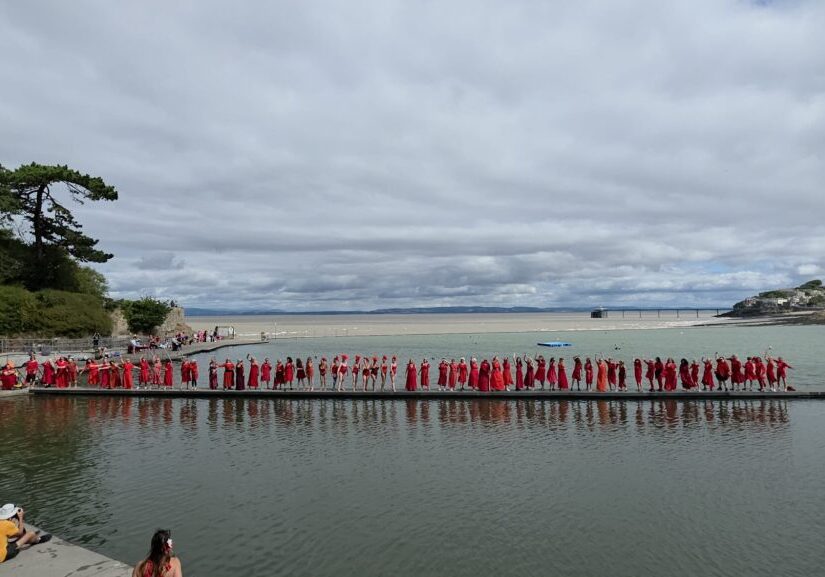
Bristol and Clevedon’s Most Wuthering Heights Day Ever raises £1,983 for SARSAS!
Out on the wily, windy waters of Clevedon Marine Lake a group of red clad Kate Bush’s danced and performed to Wuthering Heights. Followed by a second performance on Bristol’s College Green, the group made it clear that no moors or Heathcliff were required to make this event iconically The Most Wuthering Heights Day Ever.
A UK study on pregnancy after rape: Little Ro’s reflections & contributions (part 3)
Content note: This post shares themes from research with women who have raised a child conceived through rape. There are no graphic details, but some readers may find the material emotionally difficult. Please take care of yourself while reading, and feel free to pause or stop at any point.