New! Learning Disabilities & Autism (LDA) Toolkit
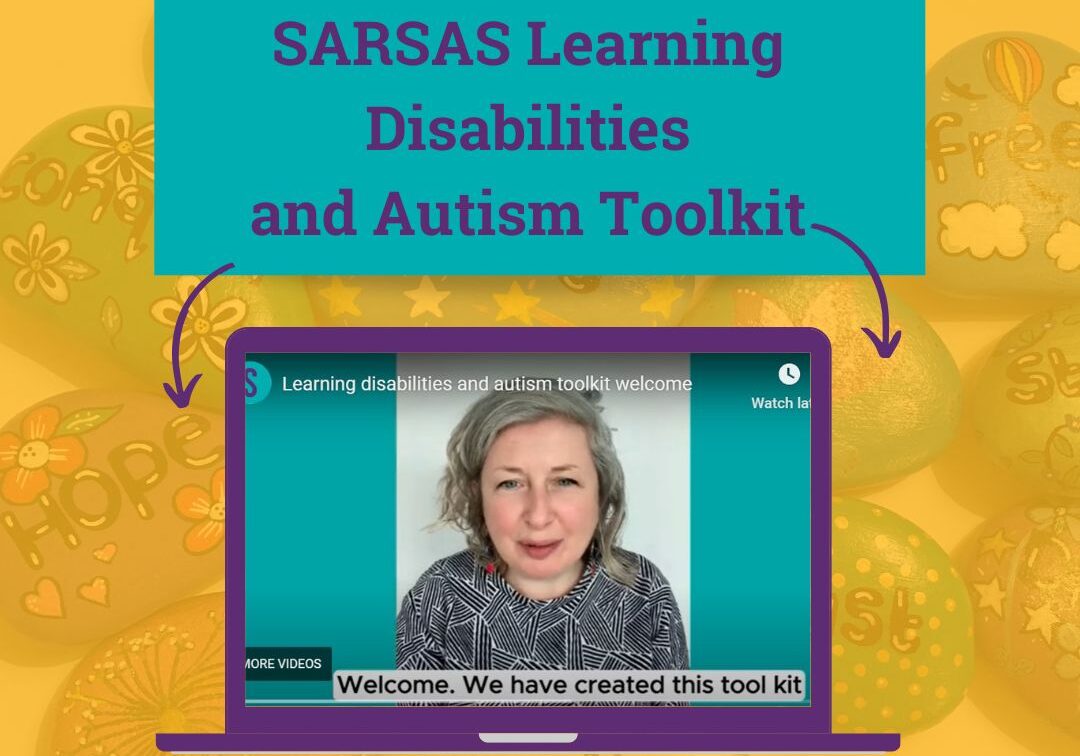
We're proud to share our Learning Disabilities and Autism toolkit for anyone working with people with learning disabilities and autistic people who have experienced sexual violence.
“I really feel lucky to know services are out there to support people like me and have found it super inclusive the whole way through.”
At SARSAS, we know that people with learning disabilities and autistic people who have experienced sexual violence can face additional barriers when seeking support after sexual violence. That’s why we’ve developed a brand-new online Learning Disabilities & Autism (LDA) Toolkit—a free resource designed to help professionals provide trauma-informed, accessible support tailored to the needs of those they support.
Why this toolkit matters
Research shows that people with learning disabilities and autistic people are significantly more likely to experience sexual violence—some studies suggest up to four times more likely than non-disabled people* Despite this, many survivors find it hard to disclose abuse and access the support they need.
Our new LDA Toolkit is designed to bridge this gap by equipping professionals with the knowledge and practical tools to provide safe, effective, and inclusive services.
A compassionate and inclusive approach
Georgie Huntley, Specialist Support Worker and Art Therapist at SARSAS, shares why a tailored approach is so important:
“Through my work at SARSAS, I’ve seen first-hand the unique challenges faced by people with learning disabilities and autistic people impacted by sexual violence. But I’ve also seen the incredible difference that a supportive, accessible, and non-infantilising therapeutic approach can make.
At SARSAS, we believe in truly listening to each survivor, understanding their experience, and moving at their own pace. This compassionate approach builds trust and empowers survivors to take an active role in decision-making and self-advocacy. Creative and playful techniques can also be invaluable in helping clients manage triggers and distressing emotions, supporting them on their healing journey.”
What’s inside the Toolkit?
Developed in collaboration with experts, practitioners, and people with lived experience, the LDA Toolkit offers:
✔ practical guidance on breaking down barriers to disclosure and accessing specialist services
✔ tools and techniques to support survivors in a way that is accessible and empowering
✔ insights to help professionals feel confident in delivering trauma-informed support.
A step towards greater inclusion
Sadie Webber, Support Services Manager at SARSAS, highlights why this resource is so important:
“We know that survivors with learning disabilities and autistic people often struggle to access the right support. This toolkit is a vital step in breaking down those barriers and ensuring professionals have the tools to provide inclusive, trauma-informed care.”
The toolkit is based on learning from our specialist work with autistic people and people with learning disabilities. To complement this resource, we also offer specialist training to help organisations embed inclusive practices into their services.
📖 Access the toolkit here
📩 For more information or to discuss how this resource can support your work, contact us at: info@sarsas.org.uk
*Source: Mencap, Behind Closed Doors 2021
The latest from our news and blogs
Prisoners’ Early Release Scheme: what you need to know
If you’re a survivor, you may have seen news about changes to prisoner release arrangements and be wondering what they mean for you.